Åland's Journey
Discover the profound history of the Åland Islands, from their ancient geological origins to their vibrant present day, a story shaped by land, sea, and enduring spirit.
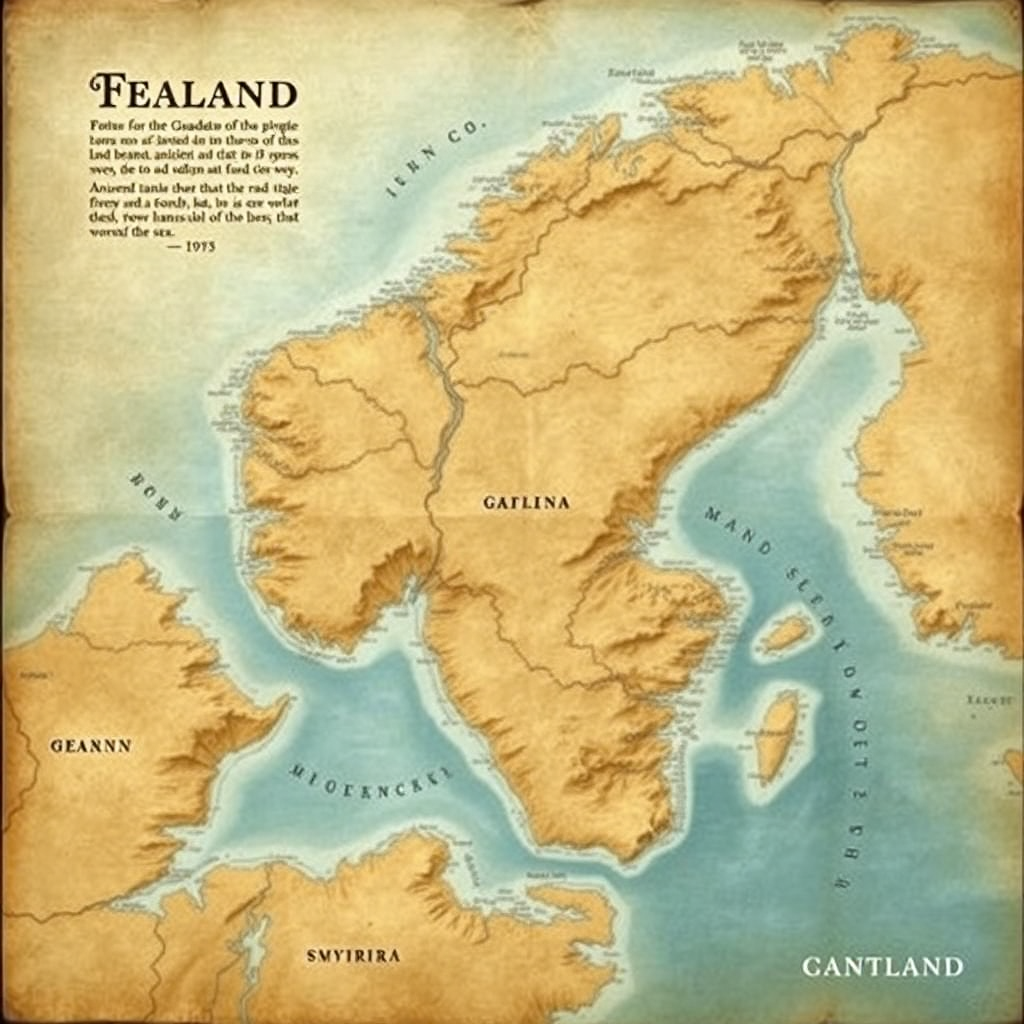
Geological Origins
The Åland archipelago, a mesmerizing collection of over 6,700 islands and skerries, owes its existence to the immense geological forces that shaped the Baltic Sea region. Formed during the last Ice Age, these islands are primarily composed of ancient bedrock, sculpted and polished by colossal glaciers that retreated over 10,000 years ago. As the ice melted, the land, released from its frozen grip, began to rebound in a process known as isostatic uplift. This slow, continuous rising of the earth's crust gradually revealed the islands and shoals we see today, creating the unique maritime landscape that defines Åland.
The bedrock itself is a testament to Earth's fiery past, with ancient granite formations providing a sturdy foundation. Over millennia, the relentless action of the sea has further refined these landscapes, carving out coastlines, shaping beaches, and creating the intricate waterways that connect the islands, fostering a distinct ecosystem and a resilient human history.
Early Settlements & Viking Age
First Inhabitants
Evidence suggests human presence in Åland dates back thousands of years, with early hunter-gatherer communities drawn to the rich coastal resources.
Viking Mariners
During the Viking Age, Åland's strategic location made it a crucial hub for trade and travel across the Baltic Sea.
Archaeological Finds
Numerous archaeological sites, including burial mounds and ancient settlements, reveal the islands' long and active history.
Swedish Rule & Russian Era
Swedish Dominion
For centuries, Åland was an integral part of the Kingdom of Sweden. This period saw the development of local administration, trade, and the strengthening of cultural ties. The islands' strategic importance was evident in their fortifications, notably Kastelholm Castle.
c. 1150s - 1809

Russian Influence
Following the Finnish War, Åland was ceded to Russia as part of the Grand Duchy of Finland. The Russian era saw significant military investments, including the construction of the Bomarsund fortress, reflecting the islands' geopolitical significance.
1809 - 1917

The Åland Islands Question
"We must find a solution that respects both the self-determination of the people and the integrity of the states involved. It is a delicate balance, but one essential for lasting peace in the region."
- A diplomat involved in the League of Nations discussions
Autonomy & Modern Åland
Self-Governance
Established as an autonomous region within Finland in 1921 through the League of Nations, Åland boasts a unique political status with its own parliament and government, ensuring self-determination.
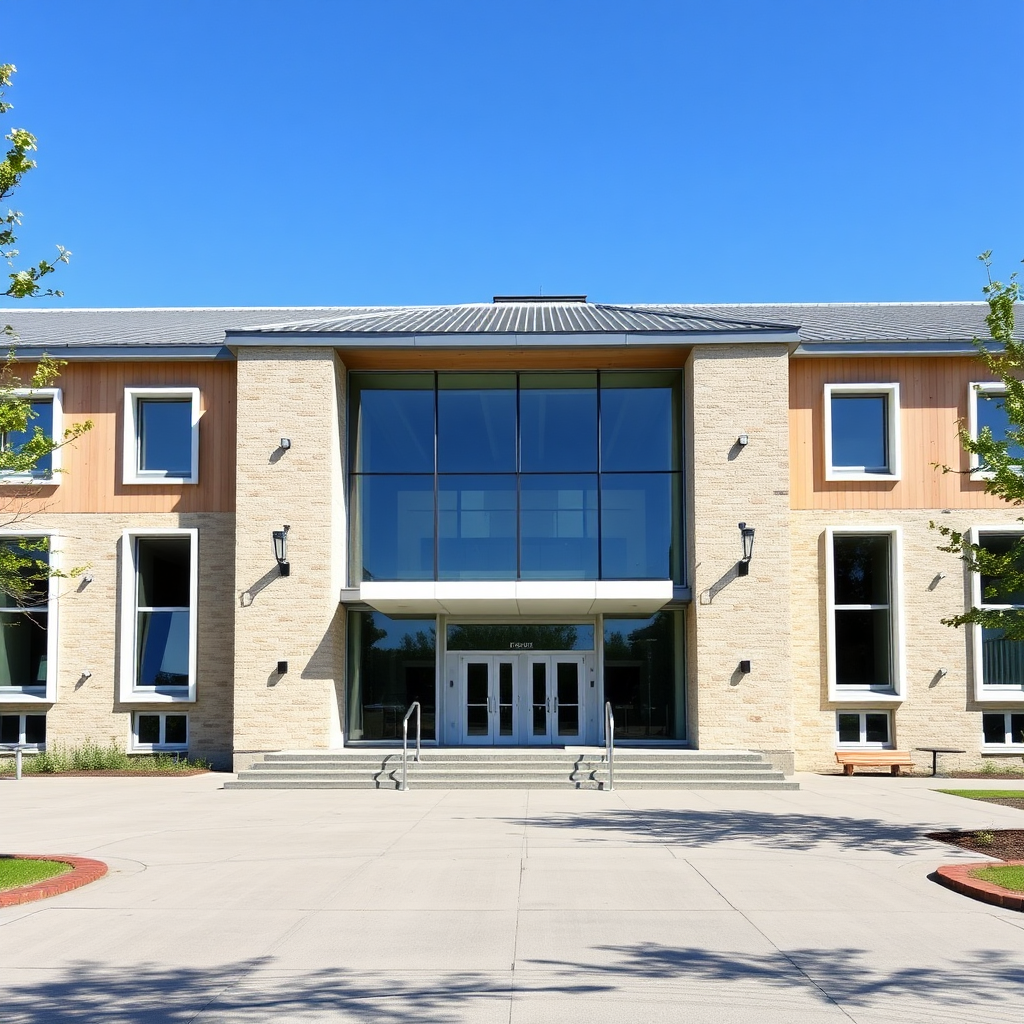
Unique Economy
Åland's economy thrives on maritime trade, tourism, and a significant service sector. The islands are known for their high standard of living and distinct economic policies.

Natural Beauty
With vast forests, pristine coastlines, and a unique archipelago environment, nature is central to Åland's identity, offering recreational opportunities and inspiring a deep respect for the environment.

Cultural Heritage

Maritime Craftsmanship

Traditional Attire
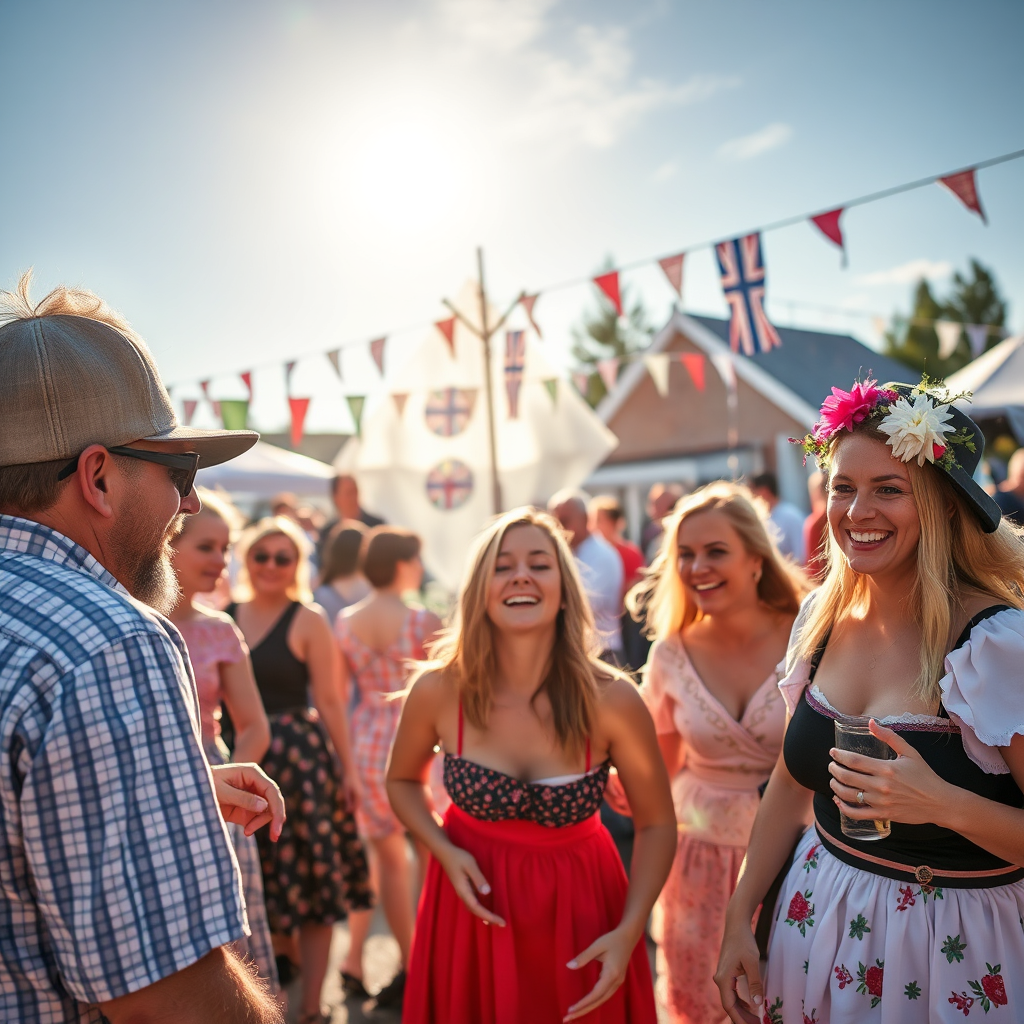
Festivals & Traditions
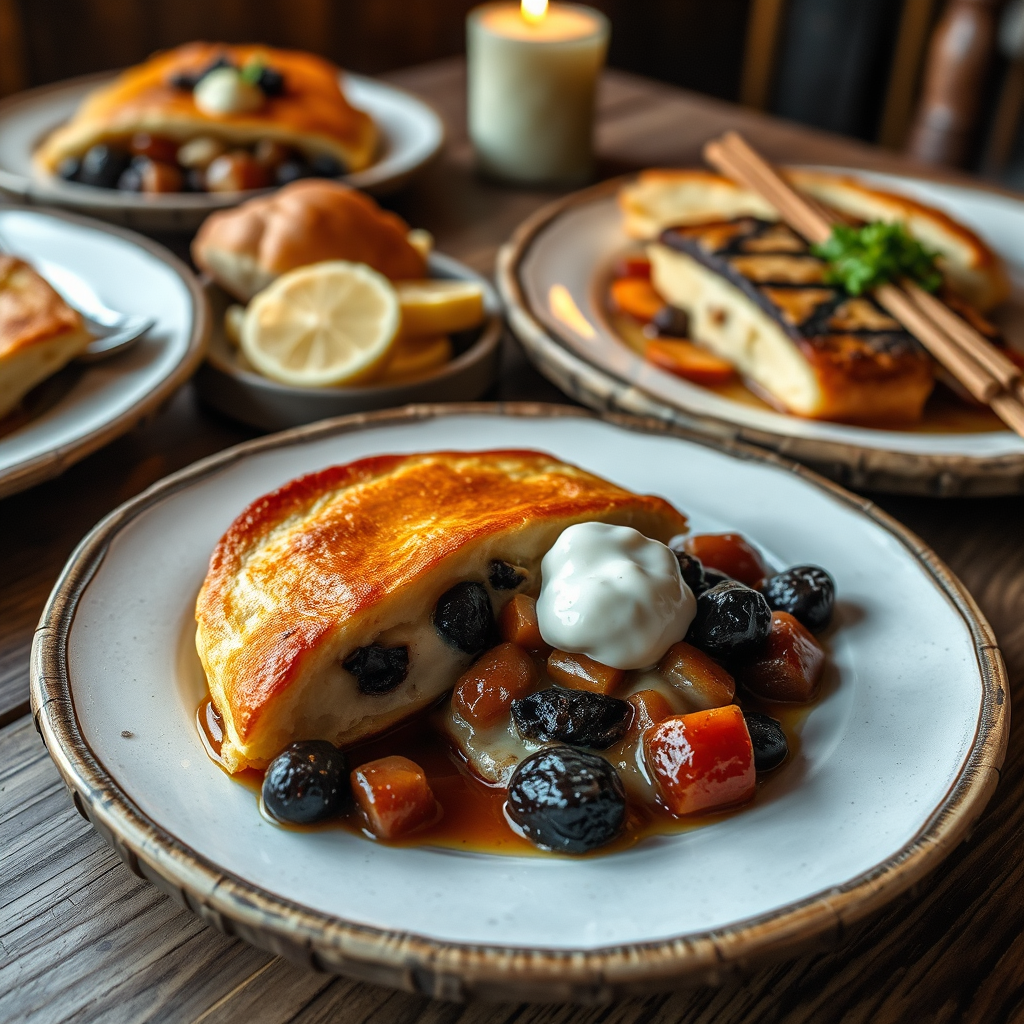
Local Cuisine
Looking Ahead
The enduring spirit of Åland, forged through millennia of natural challenges and human endeavor, continues to shape its future. As the islands navigate the complexities of the modern world, they remain anchored by their unique identity, commitment to autonomy, and deep connection to the pristine Baltic environment, promising a future as resilient and beautiful as their past.